
Guru I
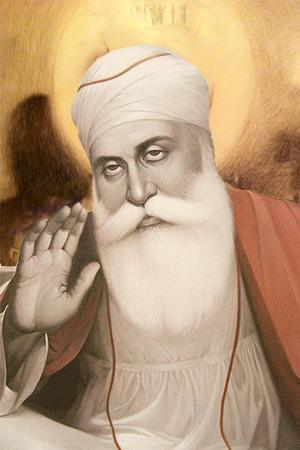
Guru I · Sikh Guru
Guru Nanak Dev Ji
✦ Founder of Sikhism
🌸 BornApril 15, 1469 – Nankana Sahib, Punjab (Pakistan)
🕊️ Joti JotSeptember 22, 1539 – Kartarpur, Punjab
Guru Nanak Dev Ji is the founder of Sikhism and the first of the ten Gurus. Born in 1469 in Nankana Sahib, he received divine enlightenment and spent his life spreading the message of one God, equality of all humans, and selfless service. He undertook four major journeys (Udasis) covering over 28,000 km, preaching across India, Tibet, Sri Lanka, Arabia, and Persia. His teachings are enshrined in the Guru Granth Sahib Ji in 974 hymns.
Key Contributions
Founded Sikhism in 15th century Punjab
Travelled across Asia spreading message of equality (Udasis)
Composed Japji Sahib — the foundational Sikh prayer
Established Kartarpur — the first Sikh community
Taught: Naam Japna, Kirat Karni, Vand Chakna
"ੴ ਸਤਿ ਨਾਮੁ ਕਰਤਾ ਪੁਰਖੁ ਨਿਰਭਉ ਨਿਰਵੈਰੁ ਅਕਾਲ ਮੂਰਤਿ ਅਜੂਨੀ ਸੈਭੰ ਗੁਰ ਪ੍ਰਸਾਦਿ॥"
One God, the True Name, Creator, Without Fear, Without Enmity, Timeless Form, Unborn, Self-existent — by Guru's Grace.Guru II
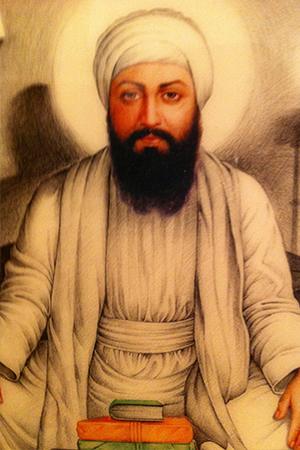
Guru II · Sikh Guru
Guru Angad Dev Ji
✦ Creator of Gurmukhi Script
🌸 BornMarch 31, 1504 – Harike, Punjab
🕊️ Joti JotMarch 29, 1552 – Khadur Sahib, Punjab
Guru Angad Dev Ji was a devoted disciple of Guru Nanak before becoming the second Guru. He is credited with standardizing the Gurmukhi script, which became the written language of Sikhs. He promoted physical fitness through Mall Akhara and emphasized free community kitchens (Langar). His 62 hymns are included in Guru Granth Sahib Ji.
Key Contributions
Standardized and popularized Gurmukhi script
Established a tradition of Mall Akhara (physical fitness)
Compiled and preserved Guru Nanak's hymns
Promoted Langar (community kitchen) service
Wrote 62 Saloks in Guru Granth Sahib Ji
"ਮਨਿ ਜੀਤੈ ਜਗੁ ਜੀਤੁ ॥"
If you conquer your mind, you conquer the world.Guru III
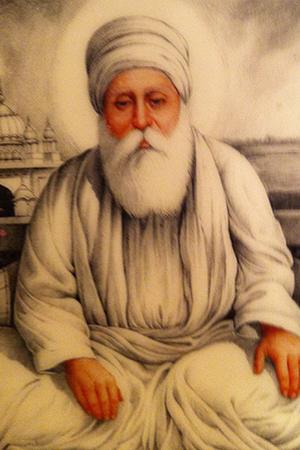
Guru III · Sikh Guru
Guru Amar Das Ji
✦ Champion of Equality
🌸 BornMay 5, 1479 – Basarke, Punjab
🕊️ Joti JotSeptember 1, 1574 – Goindval Sahib, Punjab
Guru Amar Das Ji became the third Guru at the age of 73. He was a great social reformer who fought against caste discrimination, the oppression of women, and many cruel social practices. He abolished the purdah system, opposed sati, and introduced the beautiful Anand Karaj wedding ceremony. He organized the Sikh community into 22 Manjis for better management and spiritual growth.
Key Contributions
Abolished the purdah system for women
Opposed sati (widow burning) practice
Introduced Anand Karaj (Sikh wedding ceremony)
Built Baoli Sahib — a well with 84 steps at Goindval
Organized Sikhs into 22 Manjis (districts)
"ਸਭੁ ਕੋ ਊਚਾ ਆਖੀਐ ਨੀਚੁ ਨ ਦੀਸੈ ਕੋਇ ॥"
Call everyone exalted; none appears to be low.Guru IV
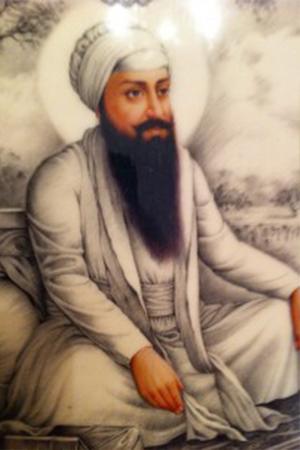
Guru IV · Sikh Guru
Guru Ram Das Ji
✦ Founder of Amritsar
🌸 BornSeptember 24, 1534 – Lahore, Punjab (Pakistan)
🕊️ Joti JotSeptember 1, 1581 – Goindval Sahib, Punjab
Guru Ram Das Ji founded the city of Amritsar (originally called Ramdaspur), which became the spiritual capital of Sikhism. He excavated the sacred pool at Amritsar and began construction of the complex that would later house Sri Harmandir Sahib (Golden Temple). He composed the four Lavans — the sacred hymns sung during the Anand Karaj Sikh wedding ceremony.
Key Contributions
Founded the holy city of Amritsar (Ramdaspur)
Excavated Sarovar (sacred pool) at Amritsar
Composed Lavan — the four hymns of Sikh wedding
Built Darbar Sahib complex in Amritsar
Wrote 638 hymns in Guru Granth Sahib Ji
"ਹਰਿ ਕੇ ਜਨ ਸਤਿਗੁਰ ਸਤਪੁਰਖਾ ਬਿਨਉ ਕਰਉ ਗੁਰ ਪਾਸਿ ॥"
O servant of God, true Guru, true Being — I offer my prayer before the Guru.Guru V
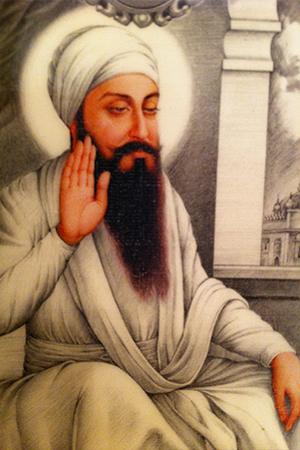
Guru V · Sikh Guru
Guru Arjan Dev Ji
✦ First Sikh Martyr
🌸 BornApril 15, 1563 – Goindval Sahib, Punjab
🕊️ Joti JotMay 30, 1606 – Lahore, Punjab (Pakistan)
Guru Arjan Dev Ji was the fifth Guru and the first Sikh martyr. He compiled the Adi Granth (later completed as Guru Granth Sahib Ji) in 1604, including hymns of previous Gurus, Sikh saints, and Hindu/Muslim bhagats. He completed Sri Harmandir Sahib (Golden Temple) and installed the Adi Granth there. He was tortured to death by the Mughal Emperor Jahangir for refusing to convert to Islam.
Key Contributions
Compiled the first Adi Granth (Guru Granth Sahib Ji) in 1604
Completed Sri Harmandir Sahib (Golden Temple)
First Sikh Guru to attain martyrdom
Installed Adi Granth in Harmandir Sahib
Composed over 2,218 hymns — largest in Guru Granth Sahib Ji
"ਤੇਰਾ ਕੀਆ ਮੀਠਾ ਲਾਗੈ ॥ ਹਰਿ ਨਾਮੁ ਪਦਾਰਥੁ ਨਾਨਕ ਮਾਂਗੈ ॥"
Your doings seem sweet to me. Nanak begs for the wealth of the Lord's Name.Guru VI
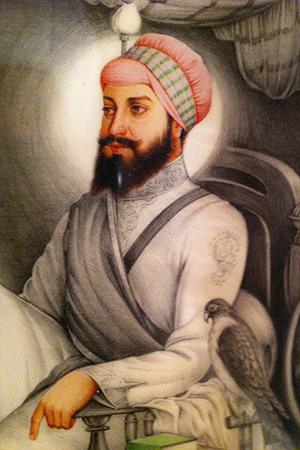
Guru VI · Sikh Guru
Guru Hargobind Ji
✦ Warrior Saint — Miri Piri
🌸 BornJune 19, 1595 – Guru Ki Wadali, Punjab
🕊️ Joti JotMarch 3, 1644 – Kiratpur Sahib, Punjab
Guru Hargobind Ji transformed Sikhism into a faith that combined spiritual devotion with martial valor. After his father Guru Arjan Dev Ji's martyrdom, he wore two swords — Miri (political authority) and Piri (spiritual authority). He built Sri Akal Takht Sahib and maintained an army, engaging in four battles against the Mughal forces. He is known as the 'Warrior Saint' of Sikhism.
Key Contributions
Introduced concept of Miri (temporal) and Piri (spiritual)
Wore two swords — Miri and Piri
Built Sri Akal Takht Sahib — highest Sikh temporal seat
Freed 52 Hindu kings from Gwalior Fort
Established Sikh martial tradition
"ਦੇਗ ਤੇਗ ਫਤਹ ॥"
Victory to the Cauldron (charity) and the Sword (justice).Guru VII
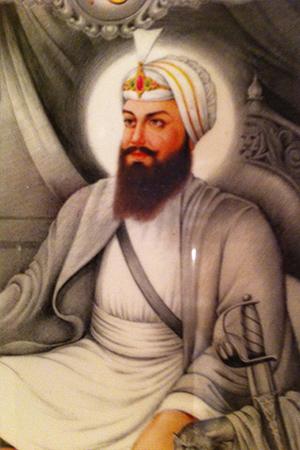
Guru VII · Sikh Guru
Guru Har Rai Ji
✦ The Compassionate Guru
🌸 BornJanuary 16, 1630 – Kiratpur Sahib, Punjab
🕊️ Joti JotOctober 6, 1661 – Kiratpur Sahib, Punjab
Guru Har Rai Ji was known for his compassionate nature and deep love for all creation. He maintained a large army to protect the Sikh community but always sought peaceful solutions. He was devoted to environmental conservation and established herb gardens providing Ayurvedic medicines to the poor. He continued the missionary work, spreading Sikhism across India while maintaining cordial relations.
Key Contributions
Known for deep compassion for all living beings
Maintained a large army while promoting peace
Established herbal medicinal gardens (Ayurvedic)
Helped Dara Shikoh with herbal medicines
Continued spreading Sikh faith across India
"ਸਭਨਾ ਜੀਆ ਕਾ ਇਕੁ ਦਾਤਾ ਸੋ ਮੈ ਵਿਸਰਿ ਨ ਜਾਈ ॥"
The One Lord is the Giver of all souls — may I never forget Him.Guru VIII
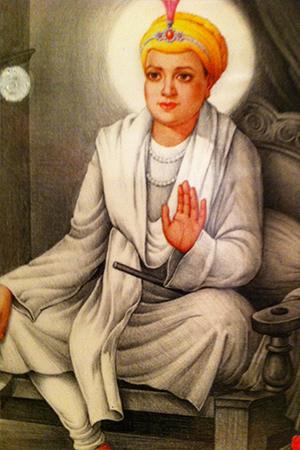
Guru VIII · Sikh Guru
Guru Har Krishan Ji
✦ The Child Guru — Bala Pir
🌸 BornJuly 7, 1656 – Kiratpur Sahib, Punjab
🕊️ Joti JotMarch 30, 1664 – Delhi
Guru Har Krishan Ji became the eighth Guru at the tender age of just 5 years. Known as 'Bala Pir' (Child Saint), he demonstrated exceptional wisdom and spiritual power at a very young age. When a smallpox and cholera epidemic struck Delhi, he served the sick and suffering at great personal risk. He contracted the disease himself and passed away at age 7. Before departing, he uttered 'Baba Bakale' indicating that the next Guru would be found in Bakala.
Key Contributions
Became Guru at age 5 — youngest ever
Called 'Bala Pir' (Child Saint)
Defeated a scholar in religious debate as a child
Served smallpox and cholera patients in Delhi
Passed away at age 7 after contracting smallpox
"ਧੰਨੁ ਸੁ ਰਾਜਾ ਸਾਹੁ ਪਾਤਿਸਾਹੁ ਧੰਨੁ ਅਮਲੁ ਕਮਾਇਆ ॥"
Blessed is the king, the banker, the emperor who earns righteous deeds.Guru IX
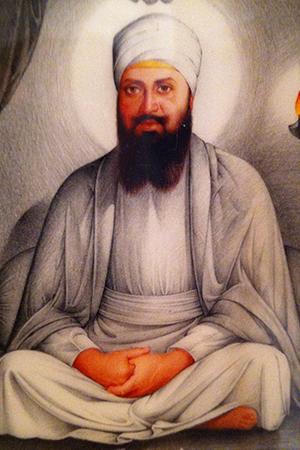
Guru IX · Sikh Guru
Guru Tegh Bahadur Ji
✦ Hind Di Chaadar – Shield of India
🌸 BornApril 1, 1621 – Amritsar, Punjab
🕊️ Joti JotNovember 11, 1675 – Delhi (Martyrdom)
Guru Tegh Bahadur Ji is revered as 'Hind Di Chaadar' — the Shield of India. When Kashmiri Pandits came to him seeking protection from forced conversion to Islam by Mughal Emperor Aurangzeb, Guru Ji sacrificed his life to protect their religious freedom. He was arrested, tortured for 8 days, and publicly beheaded in Chandni Chowk, Delhi on November 11, 1675. His supreme sacrifice is one of the greatest acts of martyrdom in human history.
Key Contributions
Called 'Hind Di Chaadar' — Shield of Hindustan
Martyred to protect Hindu Kashmiri Pandits' right to religion
Beheaded by Mughal Emperor Aurangzeb in Delhi
His head was brought to Anandpur Sahib
Founded the city of Anandpur Sahib
"ਭੈ ਕਾਹੂ ਕਉ ਦੇਤ ਨਹਿ ਨਹਿ ਭੈ ਮਾਨਤ ਆਨ ॥ ਕਹੁ ਨਾਨਕ ਸੁਨਿ ਰੇ ਮਨਾ ਗਿਆਨੀ ਤਾਹਿ ਬਖਾਨਿ ॥"
One who does not frighten others, and does not fear anyone else — says Nanak, call that one truly wise.Guru X
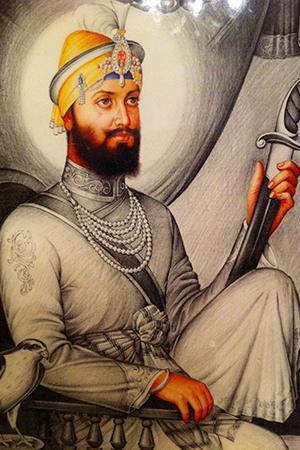
Guru X · Sikh Guru
Guru Gobind Singh Ji
✦ Creator of Khalsa Panth
🌸 BornDecember 22, 1666 – Patna Sahib, Bihar
🕊️ Joti JotOctober 7, 1708 – Nanded, Maharashtra
Guru Gobind Singh Ji was the tenth and last human Guru of the Sikhs. On Vaisakhi 1699, he created the Khalsa — the community of initiated Sikhs — and gave them the five Ks (Panj Kakaar). He fought 14 battles against Mughal and hill-chief forces. He lost all four sons and his mother to persecution but never gave up. Before his passing in 1708 at Nanded, he declared Guru Granth Sahib Ji as the eternal, living Guru of the Sikhs.
Key Contributions
Created the Khalsa Panth on Vaisakhi 1699
Declared Guru Granth Sahib Ji as the eternal Guru
Lost all four sons and his mother to Mughal persecution
Fought 14 battles against the Mughal empire
Wrote Dasam Granth — second Sikh scripture
"ਵਾਹਿਗੁਰੂ ਜੀ ਕਾ ਖ਼ਾਲਸਾ, ਵਾਹਿਗੁਰੂ ਜੀ ਕੀ ਫ਼ਤਹਿ ॥"
The Khalsa belongs to God, Victory belongs to God.